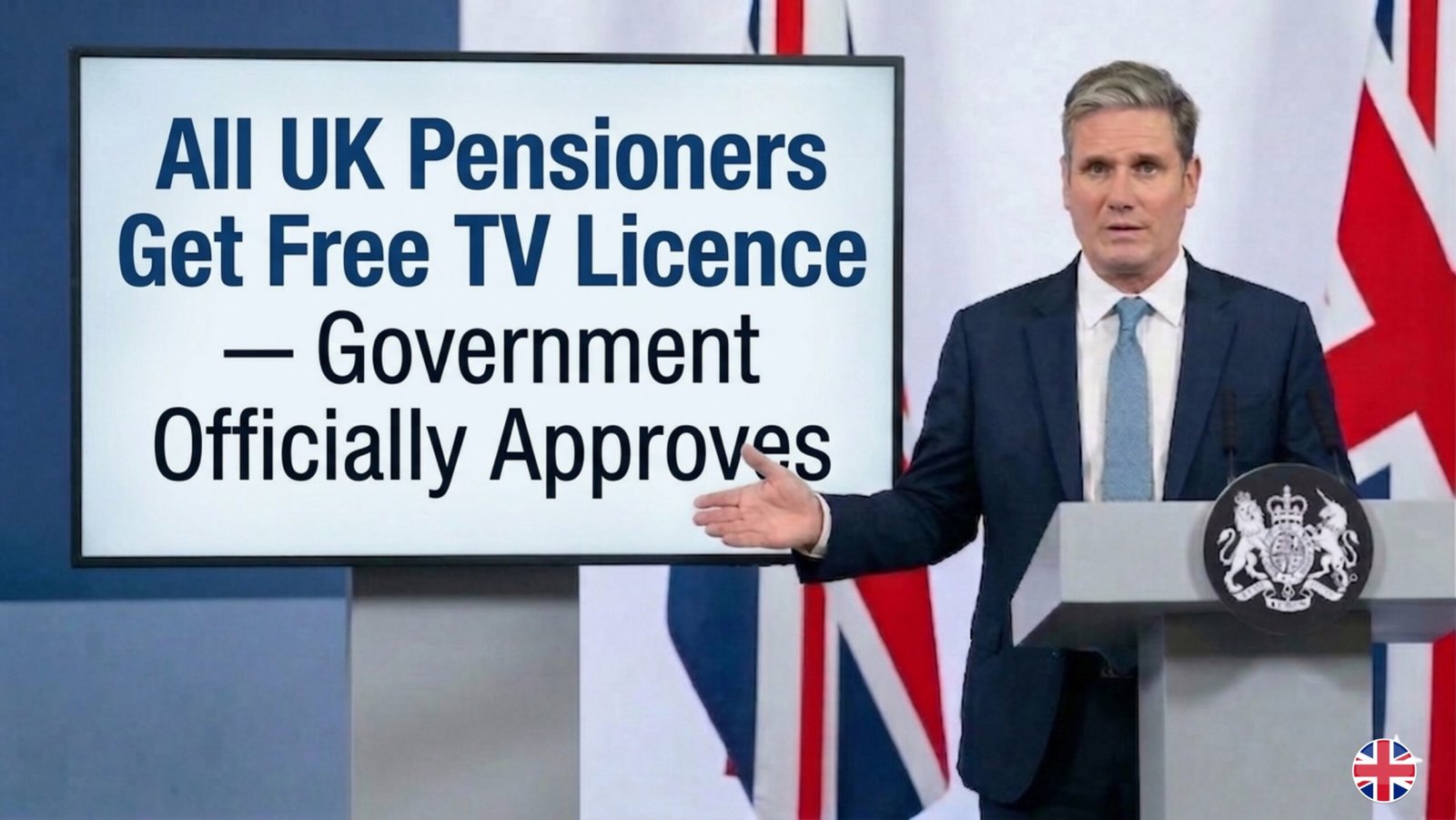
The conversation around the TV licence in the United Kingdom has always been a sensitive one, particularly for the older generation. For many pensioners, the television is more than just an appliance; it is a vital link to the outside world, a source of companionship, and a primary medium for news and entertainment. Recent headlines suggesting that all UK pensioners are set to receive a free TV licence have sparked significant interest and, understandably, a fair amount of confusion.
To navigate this topic, it is essential to look at the current landscape of government policy and how it affects those over the retirement age. While the “free for all” headline is a popular sentiment, the reality involves specific eligibility criteria that have evolved significantly over the last few years. Staying informed about these changes ensures that no one misses out on the benefits they are legally entitled to receive.
The Evolution of the Over-75s Licence
Historically, the TV licence was free for everyone aged 75 and over, regardless of their financial standing. This was a straightforward benefit that millions relied upon. However, in 2020, the responsibility for funding this concession shifted from the government to the BBC. This shift led to a major policy change: the universal free licence for over-75s was replaced by a means-tested system.
Currently, to qualify for a free TV licence, a person must be 75 years of age or older and be in receipt of Pension Credit. This change was met with significant debate, as many felt that the administrative burden of applying for Pension Credit prevented eligible seniors from accessing their free licence. The ongoing discussion between advocacy groups and the government continues to focus on how to make this process more accessible.
What is Pension Credit and How Does it Help
Pension Credit is a “passport” benefit. It is designed to help with living costs if you’re over State Pension age and on a low income. Even if you only qualify for a small amount of Pension Credit, it opens the door to several other financial supports, including the free TV licence, help with heating costs, and reductions in council tax.
The government has been making a concerted effort to increase the “take-up” of Pension Credit. Many pensioners believe they aren’t eligible because they own their home or have some savings, but this isn’t always the case. By applying for this credit, seniors not only boost their weekly income but also satisfy the primary requirement for the BBC’s free licence scheme.
How to Apply for Your Free Licence
If you meet the criteria—being 75 or older and receiving Pension Credit—the process of claiming your free licence is relatively straightforward. You do not automatically receive it; you must apply through the TV Licensing authority. You will need to provide your National Insurance number and evidence that you are receiving the required benefit.
For those who live with someone who meets the criteria, the licence can be issued in the name of the eligible person, covering the entire household. This is a crucial detail for couples where only one partner has reached the age threshold or receives the credit. Taking the time to fill out the application can save a household over £160 a year, which is a significant saving in the current economic climate.
Digital Inclusion and the Elderly
One of the challenges with the current system is the “digital divide.” As the world moves toward online applications and digital-first communication, some pensioners find it difficult to navigate the requirements. The government and the BBC have committed to providing alternative routes, such as telephone support and paper applications, to ensure that those who aren’t tech-savvy aren’t left behind.
Community centres and local charities often provide assistance to seniors who need help filling out these forms. Ensuring that every eligible pensioner has the support they need to claim their free licence is a community-wide effort. It’s not just about the money; it’s about ensuring that the elderly remain connected to society through their television sets.
The Cost of Living and Fixed Incomes
The debate over the TV licence fee often intensifies during periods of high inflation. For those on a fixed state pension, every pound matters. When the price of groceries and energy bills rises, the annual cost of a TV licence can feel like a heavy burden. This is why the news of potential “official approval” for wider free access is always met with such hope.
While the government hasn’t yet returned to a universal free model for all pensioners, the pressure from the public and advocacy groups like Age UK remains high. They argue that the social value of television for the elderly—combating loneliness and providing information—far outweighs the revenue generated by the fee from this specific demographic.
Understanding the Legal Requirements
It is a common misconception that if you only watch streaming services like Netflix or Disney+, you don’t need a licence. In the UK, the law states that you need a TV licence if you watch or record programmes as they’re being shown on any TV channel, or if you use BBC iPlayer. This applies to any device, including tablets, laptops, and mobile phones.
For pensioners who primarily watch live broadcasts or catch up on BBC content, the licence remains a legal requirement. Operating a television without a licence can lead to heavy fines, which is the last thing anyone on a fixed income needs. This makes checking your eligibility for a free or discounted licence even more important.
Future Outlook for the TV Licence
The future of the TV licence fee itself is a topic of frequent political discussion. There have been talks about replacing the fee with a different funding model, such as a household levy or a subscription-based service. However, any such change would take years to implement and would require extensive consultation.
In the meantime, the focus remains on the current system. Pensioners are encouraged to stay updated with official announcements from the Department for Culture, Media and Sport (DCMS). While social media may sometimes exaggerate claims of “free licences for all,” checking official government portals provides the most accurate and reliable information.
Impact of Television on Mental Health
The psychological benefits of television for the elderly cannot be understated. For many living alone, the voices from the TV provide a sense of presence in the home. It offers a routine, with scheduled news bulletins and favorite soaps providing a structure to the day.
When a pensioner is forced to give up their TV because they cannot afford the licence, it can lead to increased feelings of isolation. This is why the government’s approval of free licences for the most vulnerable is seen as a public health measure as much as a financial one. Access to information is a fundamental right that helps keep the older population engaged and informed.
Tips for Managing Household Bills
Beyond the TV licence, UK pensioners have access to various other schemes designed to ease financial pressure. The Winter Fuel Payment and the Warm Home Discount are two major examples. Combining these with a free TV licence can significantly reduce the annual outgoings for a senior citizen.
It is always worth conducting a “benefits check” every year. Personal circumstances change, and government thresholds for support are often adjusted. Staying proactive about these administrative tasks ensures that you are getting every bit of help you are entitled to, allowing you to enjoy your retirement with more peace of mind.
Debunking Common Myths
There are many myths surrounding the TV licence. Some believe that once you turn 75, the “hidden” free licence kicks in automatically. As discussed, this isn’t true; you must apply. Others believe that if they don’t watch the BBC, they don’t need a licence, even if they watch live ITV or Channel 4. Again, this is incorrect.
Education is the best tool against these misunderstandings. By knowing the rules and the reality of government approvals, pensioners can avoid legal pitfalls while maximizing their savings. Always rely on information from “gov.uk” or the official TV Licensing website to ensure you are getting the facts straight.
Helping Others Claim Their Rights
If you have an elderly relative, friend, or neighbor, taking a few minutes to talk to them about their TV licence could make a world of difference. Many are hesitant to ask for help or are unaware that they might qualify for Pension Credit and, subsequently, a free licence.
A simple conversation can lead to a significant improvement in their quality of life. Helping someone navigate the application process is a small act of kindness that has a tangible, lasting impact. As the government continues to refine these policies, the role of the community in spreading accurate information remains vital.
Final Thoughts on Policy Changes
The landscape of UK welfare and benefits is constantly shifting. While we may not have returned to the days of a universal free TV licence for every single pensioner, the current provisions for those on Pension Credit are a vital safety net. The “official approval” often cited in news reports refers to the government’s ongoing commitment to maintaining these concessions and encouraging more people to claim them.